FreeRangeClub.com

02 Dec, 2011

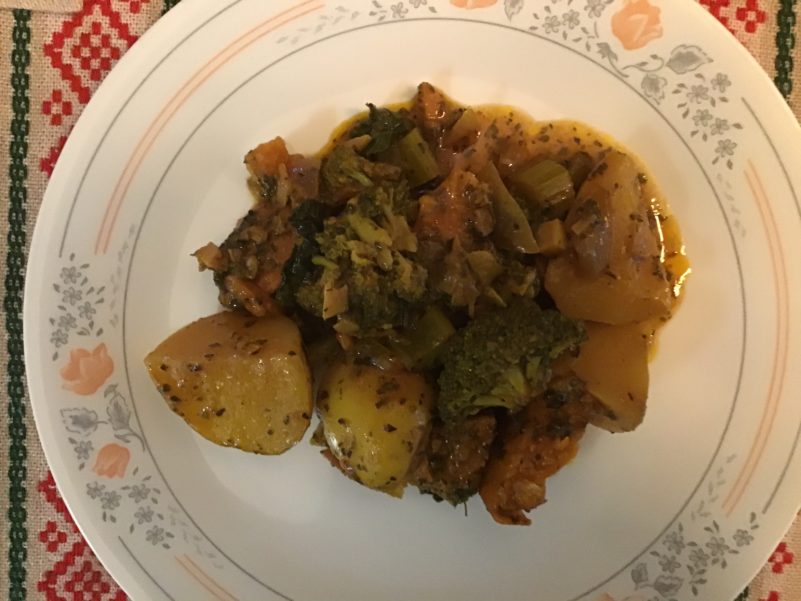
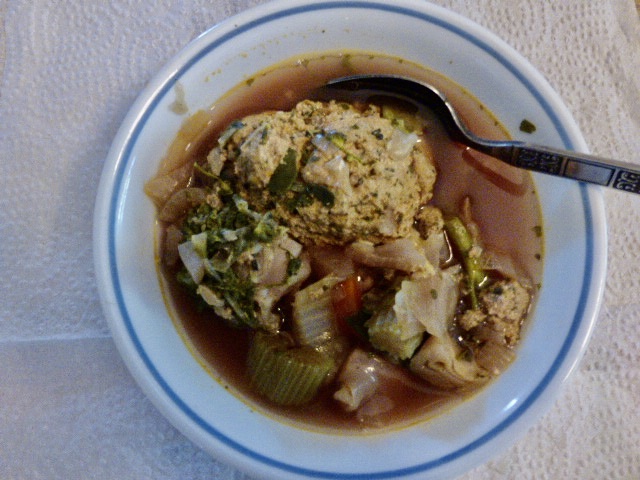
Tangy Greens & Roots Soup

Posted by: Dina Eliash Robinson In: Soups (Hot & Cold)


Served as a refreshing, cold soup during the warm months (our preference), or hot at any time of the year, this JAZZy Improvisation is so packed with nutrition, fiber, rich flavors and chewable ingredients, that it can satisfy as a meal by itself.

DSCF00041 150x150 Tangy Greens & Roots SoupIngredients can be substituted, depending upon whatever similar leafy and root vegetables are available at cooking time.

Since this soup becomes more flavorful with time and stays fresh for 10-12 days on the refrigerator’s colder (low) shelves, it is OK, and practical, to prepare larger quantities and serve it at intervals of 2-3-4 days, in rotation with other dishes. Use organic and locally grown ingredients when available.

Ingredients:

1 bunch fresh Kale (or Rainbow Chard)

1 bunch fresh Arugula

1/3 medium size Red (or other) Onion

5 cloves raw Garlic

1 large fresh Celery Root

3 stalks Celery

1 Parsnip

2-3 large Carrots

1 large or 2 medium Heirloom (or other) Tomatoes

1 medium bulb Fennel

½ cup Extra Virgin Olive Oil

½ cup chopped fresh Basil (or 2 tablespoons dried Basil)

¼ cup chopped fresh Tarragon (or 1 tablespoon dry Tarragon)

1/8 teaspoon dry Rosemary powder

1/8 teaspoon dry Thyme powder

½ teaspoon sweet red Paprika powder

¼ teaspoon Turmeric

¼ teaspoon Ginger powder

1 cup Rice Milk

3 cups Organic Vegetable Broth

2 whole Eggs

2/3 cup Lemon Juice

1 tablespoon Honey

Pinch Cayenne Pepper

Pinch Sea Salt

Wash and peel veggies (see  “Save Water, Health & Time” under this blog’s “Food Safety” category for tips on fast, easy and thorough produce cleaning).

Slice leafy items into 2 inch or narrower strips—except for the herbs (basil, tarragon), which should be finely chopped.

Chop root vegetables, fennel and tomatoes into bite-size chunks and mince onion and garlic into smaller pieces.

Prepare all ingredients before you begin cooking.

On low heat, sauté onions in olive oil until translucent.

Add garlic and continue sautéing (and stirring) for ½ minute.

Add tomatoes and continue sautéing until they are soft.

Add the fennel, root vegetables and 1 cup of the vegetable broth, cover pot and simmer until root veggies begin to soften.

Add the leafy veggies and fresh herbs. Cook & stir for 1 minute, then add the dry herbs and spices, one by one, stirring them into the mix thoroughly.

Add the rest of the vegetable broth. Cook for 5 minutes. Add hot water to cover the veggies, plus 2-3 more inches of water.

In a blender, mix and beat eggs, honey, lemon juice and rice milk until frothy.

When all the ingredients in the soup are soft enough to eat, remove pot from heat and wait 2-3 minutes for it to cool a bit.

Very slowly, pour mixture from the blender into the soup, stirring all the time to prevent the eggs and rice milk from curdling.

Adjust flavor to your taste. Lemon, honey and salt should be well balanced to provide a tangy and savory flavor.

Cool soup and refrigerate.

Favorite Foods That Prevent Heart Disease

And Help Clear Blocked Arteries

Without Pharmaceuticals Or Surgery

by Dina Eliash Robinson

text2 Eat Your Way To Cardiovascular Fitness


INTRODUCTION—The GOOD News: More than two decades of research, personal observation and experience in our own family, have provided strong evidence that cardiovascular disease can be prevented, as well as reversed with heart-healthy eating habits, moderate exercise, stress-reduction and food-based supplements, Heart16 291x300 Eat Your Way To Cardiovascular Fitnesswithout pharmaceuticals or invasive procedures. Note: Vitamins amd other food- based supplements should only be taken on the advice of professional health practitioners—such as nutritionists, holistic therapists, and the growing number of cardiologists and other physicians who are finding them useful.

In fact, prevention and reversal of cardiovascular disease through foods and lifestyle changes are proving successful even for people with inherited ‘bad’ genes that have caused heart attacks, strokes and/or premature deaths to a parent, sibling or other closely related family member. Reports about the effectiveness of foods as therapeutic agents in the reversal of illnesses—even in cases when genetic predisposition is combined with previous years of self-destructive eating habits—are appearing with increasing frequency in both scientific medical journals and mainstream media.

Docs Getting On The Nutrition Bandwagon:  More and more physicians are poaching on nutritionists’ territory by accompanying prescriptions with advice on healthy eating and lifestyle changes. Celebrity doctors are writing cookbooks, pontificate about trendy diets on their own TV and radio shows, write syndicated columns, appear on magazine covers and have bylined articles published in newspapers.

Dr. J. Kellogg Parsons, urologic oncologist at the UC San Diego Moores Cancer Center revealed in a September 2011 interview with the SD Union-Tribune that extensive epidemiological studies conducted by the Center have shown evidence that a heart-healthy diet, “when applied to the prostate cancer patient… has the same great results” (as in cardiac patients). Dr. Parsons recommends a “diet high in vegetables, low in fat (and) meat. Vegetables are particularly important.” (FRC Caveat: Starchy veggies, such as potatoes, should be consumed less frequently and in smaller portions to avoid weight gain.)

International Focus: In addition to the domestic trend, there is considerable pushback by various countries around the world against the U.S.-promoted over-reliance on medicines, agricultural chemicals, fast food chains and factory farm products—as well as a shift toward linking organic foods with health. This is reflected in various comments and articles being receiving at FreeRangeClub from abroad.

Here is an excerpt focused on cardiovascular disease contributed by Dr. Millie M. Bruce, a native of Banffshire, Scotland and graduate of the University of Glasgow with a degree in traditional medicine and nutrition. She writes: “Cardiovascular disease is rapidly approaching gender-equal status now that women are shouldering careers in addition to their parenting and homemaking responsibilities.” Citing her research and special interest in this field, Dr. Bruce warns that “Increasingly, the danger zone is not age but physical condition, eating habits, lifestyle and even emotional or mental state, which affects how individuals deal with stress.”

Economic Advantages And Gastronomic Pleasures: Commonsense and household budgets show that wholesome foods are not only healthy, but more enjoyable, satisfying and economical–saving money that otherwise would have to be spent on medical treatments, pharmaceuticals, missed work and at extreme, on hired caregivers. With a plethora of accessible information available in books, classes and on the Internet, even the most kitchen-averse consumer can easily learn a few life-improving grocery shopping and quick and easy cooking skills.

Choosing The Most Powerful Nutrients For Effective Cardiac Damage Control: To fully reap the health benefits of good eating habits—while also pleasing taste buds, of cou2067911 s1 300x200 Eat Your Way To Cardiovascular Fitnessrse—we recommend that you:
(1) Choose all organic and, whenever possible, locally grown foods, because the shorter the distance between farm and table, the less energy is consumed and smaller carbon footprint is left by transportation (a clean air bonus for heart-health) and, above all, the fresher and higher in nutritional value are the foods you eat. Being a ‘locavore’ also has the added benefit of eating fruits and vegetables in season, at the top of their healing power.
(2) When locally grown organic produce is not available, look for equivalents grown in other parts of the U.S.—or when those, too, are missing from your grocer’s shelves, settle only for Canadian or Mexican choices sporting the USDA organic stamp. Although organic imports from Chile are of good quality, their nutrient levels are lowered by pre-ripened harvesting and long haul transportation. And since Chile’s winter is our summer and vice versa, the health bonus of in-season consumption of plant foods is also lost.
(3) Pay special attention to points of origin information on packages when shopping for frozen fruits and veggies and limit your picks to U.S. and Canadian goods. Avoid even organic imports from China because of that country’s continuing struggles with polluted soil, air and water—against which its own citizens frequently protest.
(4) Whenever you are tempted to save a few pennies by reaching for less expensive produce, remind yourself that organic foods pay remarkable health dividends by allowing the body to use their entire energy and self-healing resources for prevention, damage control and health maintenance. By contrast, when consuming conventionally grown or processed foods, the body must first engage its immune system in the battle to protect itself from the toxic chemicals (pesticides, fungicides, chemical fertilizers, antibiotics, growth hormones, etc.) and genetically engineered products embedded in these foods. Not only does this battle deplete the body’s self-healing resources, but toxic chemicals and genetic tampering also tend to diminish the nutritional value of conventionally produced foods.DSCF0007 300x225 Eat Your Way To Cardiovascular Fitness

The Optimum Food Plan For Cardiovascular Health:
(a)   Eat a hearty breakfast every morning, starting with a tall glass of water (room temperature) with a splash of some organic fruit juice if you prefer flavoring. Follow with a slice of melon or other fruit. The ‘main course’ might consist of a slice of whole grain (wheat, spelt, kamut, etc.) waffle with fruit; slice of toasted bread with avocado, almond or walnut butter or other low-cholesterol topping; an egg-white and veggies or mushroom omelet with olive oil; a small ‘variety’ plate with humus, sliced tomatoes and olives with whole grain crackers; etc.  Green tea for a concluding pick-me-up is better than coffee, although one or two cups of low- or moderately caffeinated Java have lately been given the green light for heart-healthy diets. For a richer flavor, try a cup of weaker coffee with a ½ teaspoon of unsweetened organic cocoa and splash of almond milk.
(b)  While it’s best to eat the larger meal at midday, it is advisable to keep portions served at both lunch and dinner as small as possible, so as not to overtax the digestive and cardiac systems. The ideal (balanced) meal consists of…
• a big salad of dark leafy greens, tomato, radish, pepper, onion (optional when in company), followed by a protein and grain; or8508367 s 300x201 Eat Your Way To Cardiovascular Fitness
•  steamed or sautéed vegetables (non-starchy) occupying about half the plate, with the rest of space split between
• a fist-size portion of lean, low-cholesterol protein—such as salmon or other Omega-3-rich oily, medium or small size fish; white/breast meat of organic chicken or turkey; tofu or tempeh; the vegetarian whole protein combo of rice and beans, etc. (it is strongly suggested that red meat be avoided altogether); and
• a cup of whole grain pasta, rice (except in the presence of the above rice and beans) or other starch.
(c)   If (b) is lunch, dinner could include a hot or cold soup and a Mediterranean platter of hummus, salad, olives and sardines; or whole grain pizza crust with vegetable and goat cheese topping. Or, as indicated above, these lunch and dinner suggestions are interchangeable.
(d) The important thing is to keep portions small and food items light and easy to digest to avoid bloating or feeling ‘stuffed.
(e)  When main meals are reasonably light, with moderate portions, it is better to have snacks between meals, than to let hunger build to over-indulgence during the next meal. Snacks could include a fruit with organic, low-fat yogurt; about 10-12 almonds or other nuts with a handful of raisins; a slice of whole grain bread with almond butter or some other low-calorie and low-cholesterol choices.
(f)   Four-hour intervals between main meals help prevent overeating, while finishing dinner at least two hours between bedtime benefits digestion, avoids putting pressure on the heart and allows for a good night’s sleep.
(g)   Regular exercise, stress management, home cooking and/or judicious selection of dishes and ingredients when eating out, also helps to maximize the

DSCF00041 300x225 Eat Your Way To Cardiovascular Fitness

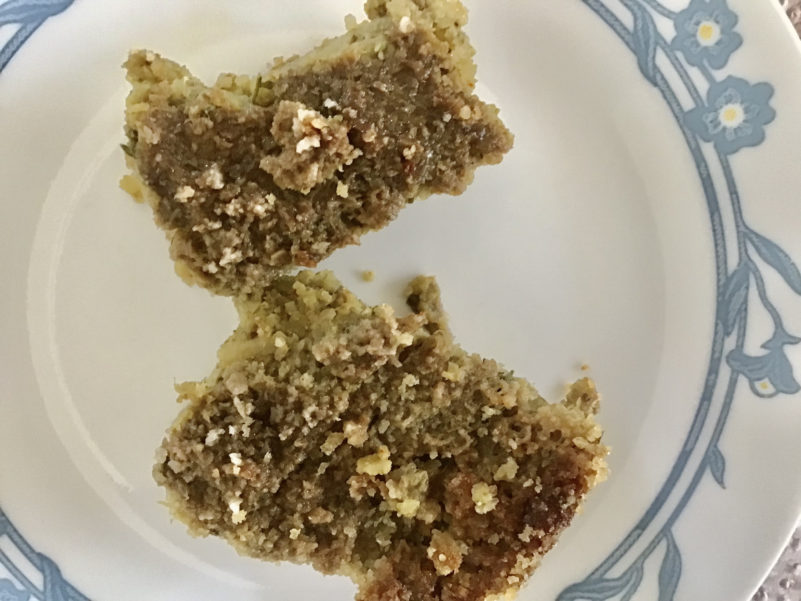
Baba Ganoush

effectiveness of healing foods.

Commitment: To quote Yoda, “Do or do not. There is no try.” In short, staying the course helps to fast-track the cardiovascular healing process and lifestyle changes, as well as to prevent relapses. While temptations abound—often in the form of lovingly prepared but artery-clogging foods offered by well-meaning friends and family—they can be resisted by remembering to differentiate between myths and facts:
• Myth: Indulging only rarely in artery-clogging or inherently toxic foods won’t harm.
Fact: Every morsel of adulterated and/or artery-clogging food is sure to set back the healing process or negatively affect prevention efforts.
Myth: It’s OK to skip regular exercise or relaxation practices—two days a week is plenty.
Fact: Inactivity lets arteries collect plaque and neglecting to keep stress hormones in check has the potential to impede or reverse recovery. The goal should be to exercise and de-stress at least five days a week. (Don’t groan. Throw your arms up, grin broadly to the ceiling and shout a gleeful ‘Yeah!’ to get you psyched about the healing process. Attitude is everything.)
Myth: Backsliding can easily be made up for later.
Fact: Lifestyles are habits that can be as addictive as alcohol and drugs. Falling off the wagon has serious consequences—especially for those with a genetic tendency (family history) of cardiovascular problems. The sooner bad habits (i.e. addictions) are broken and healthy ones put in their place, the faster the struggle ends and re-habituation is etched into the subconscious.
• Myth: Once cardio-health is restored, it’s safe to go back to less than optimum lifestyle.
• Fact: This is the most dangerous fantasy. Resuming old habits that caused the heart disease originally tends to precipitate a relapse that occurs faster and tends to be more severe than the first onset.
• Good News: It takes about two to four months for taste buds to develop a preference for heart-healthy flavors and for a new lifestyle to become routine. TheDSCF0006 300x225 Eat Your Way To Cardiovascular Fitness successful transition can be hastened and helped by making sure that meals are not only nutritionally well balanced, lovingly prepared with organically grown, low-cholesterol ingredients, but delicious as well—a goal achieved through skillful seasoning with healthy and antioxidant-rich herbs and spices. (Click on our ‘Recipes’ section and try them as written, or improvise to include your favorite flavors—while still making sure, of course, that all changes and substitutions are heart-healthy.)

Caveat: If and when eating out—in restaurants or private homes–I recommend making your wait staff or host(ess) an ally who’ll be glad to answer your (polite) questions about ingredients and cooking modes (anything but fried or barbequed!) of the meals being served. Good manners require that you at least taste what is offered, or quietly point to, or serve yourself the dishes that best suit your Food Plan.

Go For Good And Plenty: Far from being ‘restricted,’ The Optimum Food Plan For Cardiovascular Health includes a veritable cornucopia of delicacies in mouthwatering flavors, textures and a variety of preparation choices. The ones that are really ‘restricted’ are, in fact, the fast- and junk foods, since their main (health-busting) ingredients are fat, salt, sugar, pesticides-laden plants, refined and genetically engineered (GMO) grains and processed animal products spiked with growth hormones and antibiotics.

Food, Glorious Food! While a completely plant-based diet is not everyone’s preference, increasing veggies and fruits and cutting down on animal products is known to improve cardiovascular health. The healthiest vegetables and fruits are those with the strongest, darkest colors. Often called ‘super-foods,’ they are rich in vitamins, minerals and other nutrients, as well as in antioxidants that protect the body from cancer-causing free radicals. Their high fiber content also aids digestion and lowers blood pressure— essential attributes for cardio safety. Here is an incomplete list of goodies known for their powerful cardiovascular healing properties. Write to us for more information—or to add your own—at  dina@freerangeclub.com.

FRUITS & VEGGIES
Dark leafy vegetables (collard greens, kale, chard, spinach).
Cruciferous vegetables (broccoli, cauliflower, cabbage, Brussels sprouts).
Root vegetables (carrots, parsnips, yams, sweet-potatoes, radishes, rutabaga, turnips, beets—the latter is also an excellent liver-cleanser).
Nightshades (eggplants, peppers, tomatoes, cucumbers, potatoes—to be consumed in moderation, since they tend to worsen arthritis symptoms when eaten too often or in large quantities).
Squashes (acorn, spaghetti, crookneck, zucchini, pumpkin, etc.).
Antibacterial/anti-viral vegetables (onions, leeks, scallions, garlic—the latter is a particularly powerful antidote for inflammations, infections and flu and cold viruses, as well as being an effective blood-thinner that—when taken as prescribed in concentrated doses found in supplements such as ‘Kyolic’ garlic capsules—helps prevent clots that could cause phlebitis or strokes).
Legumes (beans of all kinds, lentils, peas, chickpeas—the latter is excellent when prepared as hummus with tahini, lemon and garlic).
7812945 s 300x200 Eat Your Way To Cardiovascular FitnessBerries (blueberries, blackberries, strawberries, raspberries—often called ‘super-foods’).
Açai, a fairly recently introduced and much hyped food growing on trees along the Amazon river, has been mistakenly called a berry—it is actually a drupe, a pitted fruit just like the olive. Açai has no sugar, but is twice as rich in anthocyamins as dark blue and red berries and red wine; and has high contents of antioxidants, Omega-6 and -9, fiber and polyphenols. (Not recommended for diverticulitis sufferers, because of its abrasive nature.)
Melons (honeydew, cantaloupe, watermelon, Galia, Crenshaw, etc.).
Stone fruits (peaches, nectarines, plums, apricots, cherries).
Avocados are rich in minerals, vitamins and heart-healthy fat—making it somewhat high-caloric, but still one of the most nourishing super-foods. Among its various species, the Haas—also known as ‘alligator pear’ because of its rough skin—is dense and fatty, with a nutty flavor, while the Reed and Bacon are larger, smooth-skinned, have a lighter, less fatty flesh and a fresh, ‘green’ flavor. The latter are often less expensive than the Haas.
Citrus (oranges, mandarins, lemons, limes—grapefruit is best avoided because it may interact with medications and/or supplements or have adverse effects on certain conditions).
Apples and pears come in many variations of colors, textures and flavors and are as delicious in their fresh and raw state as baked, poached, puréed (i.e. apple sauce) and stewed in compote.
Tropicals (persimmons, pomegranates, bananas, mangoes, papayas, etc. Pomegranates are rich in iron, bananas in potassium and papayas are excellent digestive aids).

HERBS & SPICES
Herbs and Spices are largely responsible for the pleasures of eating, since they add to, as well as bring out the flavors of individual foods. (Think, for example, sliced yam coated with olive oil, basil, turmeric, paprika and garlic powder and baked until almost crisp.) In addition to making salt unnecessary—a good thing for salt-restricted cardio diets—herbs and spices also pack many powerful medicinal qualities. Here are some of the most popular:
Basil and Dill, like most herbs, contain multiple medicinal compounds, each an effective healing agent for one or more ailments. Among them is eugenol, an antioxidant that also protects against heart disease and thrombotic stroke by inhibiting the clumping of platelets intoDSCF0009 300x225 Eat Your Way To Cardiovascular Fitness dangerous clots.
Fennel—a plant relative of dill, coriander, parsley and carrots—is completely edible: its crunchy white bulb, fibrous stalks, seeds and thin dill-like leaves (ideal in fish dishes). It is also a health-supportive powerhouse, rich in antioxidants such as vitamin C and cholesterol-reducing fiber that protects the cardiovascular system and the colon (from which it removes potentially carcinogenic toxins). The fragrant fennel is also a good source of folate (a B vitamin that protects blood vessel walls from damage) and potassium. Among other health benefits, folate and the blood-pressure-lowering potassium help prevent heart attacks and strokes.
Ginger also possesses similar anti-platelet-clotting qualities, with added elements that prevent cardiovascular disease by balancing lipids, inhibiting fat absorption from the intestines and thus lowering the ‘bad’ (LDL) cholesterol and triglyceride levels, while raising the ‘good’ (HDL) cholesterol.
Parsley inhibits the formation of plaques in arteries and also acts as a blood-thinner—both important factors in the prevention of heart disease and stroke.
Oregano and Rosemary have cardio-protective, antioxidant and anti-inflammatory carvacrol and rosmarinic acid, which prevent plaque formation in arteries.
•As reported in 2010 by Nutrition Journal, in an analysis of more than 3100 foods around the world, Tarragon has been found to pack one of the highest antioxidant contents among them. Due to its abundance of the anti-inflammatory salicylic acid and several key phytochemicals, fresh tarragon especially, is a powerful shield against cardiovascular disease.
•The same analysis reports identical findings for Thyme due to several cardio-protective phytonutrients.
•Perhaps the most often prescribed medicinal plant for the prevention (and healing) of heart disease is Turmeric, a root sold in powder form, which lends its strong yellow color to Indian curry and the phytonutrient curcumin to its healing power. Turmeric’s antioxidant qualities make it highly effective as a protector and therapeutic weapon against HIV, cancer and arthritis.
Cayenne and other hot chili peppers rich in capsaicin reduce blood cholesterol, lower triglyceride levels and increase the body’s ability to dissolve fibrin, a substance that promotes clot-formation. Where cayenne is a popular spice, there are much lower rates of heart attacks, stroke and cases of pulmonary embolism.

NUTS & SEEDS
Almonds, walnuts, cashews, Brazil nuts, macadamia nuts, pecans, sunflower and sesame seeds, among others, are rich in Omega-3 fatty acids, proteins and other heart-healthy nutrients. (I advise staying away from peanuts if possible, for reasons explained at http://freerangeclub.com/category/food-safety/page/3/).

DSCF00061 300x225 Eat Your Way To Cardiovascular FitnessWHOLE GRAINS—ORGANIC (to avoid toxic chemicals, GMO & GE products)
Hot oatmeal (whole oats) cereal is highly effective in lowering blood pressure and clearing arteries.
Whole grain (wheat, spelt, kamut, the complete-protein-containing quinoa, etc.) cereals, pasta, pilaf, breads and rice (wild, brown, basmati, jasmine, etc.) are important energy fuels, rich in nutrients. Still, it’s good to keep in mind that they are carbohydrates with high (complex) sugar and starch content that have the potential to become addictive ‘comfort’ foods and pack on unwanted weight—always a detriment to cardiovascular health. It’s best, therefore, to keep portions small to medium and to eat grain-based foods not too frequently.

OILS & FATS
Heart-healthy fats are limited to polyunsaturated and monounsaturated oils.
Polyunsaturated fats include plant-based oils (of which safflower and sunflower oils are preferable.
Corn and soy oils are also ‘poly,’ but should be avoided or used with caution—the former to avoid allergic reactions in people sensitive to corn and the latter because its high concentration of the plant estrogen present in soybeans can be harmful to breast cancer sufferers and survivors. Absent allergies or estrogen-uptake cancer hazard, corn and soy oils contain heart-healthy Omega-3 fatty acids—also found in ground flaxseed and walnut oils.
Monounsaturated fats include the super-heart-healthy olive oil (choose organic, extra-virgin, cold- and first-pressed products from reputable California, Italian or other trusted sources), as well as avocados (fruit and oil), nuts and seeds (including butters and oils derived from them).
DSCF00051 225x300 Eat Your Way To Cardiovascular FitnessNote: Olive oil is at its best when drizzled on salads at room temperature. It is also a tasty, heart-healthy fat in low-heat cooking—which is, in fact, advisable for protecting the cardiovascular system. Foods cooked at high heat (i.e. fried, barbecued and blackened in any form) are hazardous to most people’s health due to their artery-clogging and carcinogenic effects. Boiling, simmering, poaching, sautéing, baking and roasting at below 400 degrees are the optimum cooking methods all around and especially important for keeping the old pump and its vascular plumbing in the pink.

DAIRY
For prevention of cardiovascular problems, a good rule of thumb is to limit dairy intake to small portions of goat yogurt, kefir, Feta cheese or organic chevrie-style low-fat creamy white cheese, once or twice a week. Goat dairy is, in general, lower in fat, has healthy enzymes that make it easier to digest than cow products and is a good source of calcium. By all means, however, all hard, yellow and fatty cheeses (such as Brie) in both goat and cow dairy should be completely avoided.
•For those on limited dairy food plans, on the rare occasions when cow dairy is the only option, it should at least be organic in order to avoid dairy laced with the antibiotics, growth hormones and pesticide-laden and/or otherwise toxic feed that cows are injected with or eat. But even organic cow dairy should be limited to low- or non-fat yogurt, kefir or cottage cheese, while avoiding aged, hard, Brie and other cheeses with higher fat and cholesterol content.
To reverse cardiovascular disease, on the other hand, it is best to avoid all dairy. There is, however, the option to substitute non-dairy soy or rice cheeses and other plant-based imitations, which are surprisingly tasty and satisfying.DSCF00171 300x225 Eat Your Way To Cardiovascular Fitness
Health status and lifestyle should be reviewed periodically with a nutritionist, holistic health practitioner or in acute cases, with a cardiologist. Examination results and the person’s overall condition at the time will determine what, if anything, needs to be tweaked in his/her food choices aimed at preventing, maintaining or reversing the cardiovascular condition.

MEATS
Whether the purpose is prevention or reversal of cardiovascular problems, it is best to completely avoid red meat—especially for people with a family history of the disease.
Young, healthy people with no genetic connection to it, might indulge in small portions of grass-fed or organic New Zealand lamb (fat trimmed), on rare occasions. (Click here for reasons to avoid domestic factory-farm-grown beef: http://freerangeclub.com/food-safety/slaughterhouse-blues/.)
•As with dairy, healthy people who wish to prevent cardiovascular problems have a bit more leeway than those who need to reverse the condition. While both can have organic, skinless, fat-trimmed chicken and turkey in small portions, two-three times a week, ‘preventers’ could have some dark meat now and then, while it’s best for the ‘reversers’ to stick to white breast meat. (See our “Healthy Recipes” for cooking ideas.)

FISH & SEAFOOD
Cold-water fish such as salmon, mackerel and herring are good sources of Omega-3 fatty acids and known to be heart-healthy.
Choose small to medium size fish to limit your mercury intake. Wild-caught sardines (fresh or canned in pure olive oil) and wild-caught herring (fresh and preserved in wine or other liquid, but not cream) are perhaps the overall healthiest (and affordable) sources of protein on the market. The bigger the fish, the more mercury is accumulated in its flesh.
DSCF00042 300x225 Eat Your Way To Cardiovascular Fitness Wild-caught, deep-sea scallops and calamari are the only recommended non-fish seafood—especially for cardiovascular health—since coastal waters tend to be polluted around the world, shrimp is too high in cholesterol and other shellfish are too frequently found to be contaminated with various toxic organisms to be given a blanket approval.
While consuming wild-caught fish and seafood is becoming less and less sustainable due to global overfishing, the marine farming industry—with perhaps some exceptions—doesn’t seem to have quite figured out yet how to be entirely eco-friendly, nor how to raise seafood that is both as nutritious as its wild-caught counterparts and free of antibiotics, anti-fungals and other toxic substances.

DSCF0130 300x225 Eat Your Way To Cardiovascular Fitness

Breaded Baked Cauliflower

A reasonable and relatively safe compromise might be to eat wild-caught fish and other seafood (as listed above) freely, whenever affordable and available, while eating less of the farmed products—which are usually served in restaurants and other public or hosted places.
Note: Don’t be fooled by fish and seafood identified as “Wild,” which only means that the marine farm is stocked with previously free-swimming fish or their progeny. The two-word “Wild Caught” is the only label that identifies the real thing. We recommend it for optimum healing and health maintenance.

IMPORTANT: A SUPPORTIVE ENVIRONMENT FOR HEART-HEALTHY LIFESTYLE
To help a family member through the first 4-6 months of struggle to transition from an old and less than ideal eating habit to a heart-healthy food plan, it would be most helpful—at least when cooking and eating at home—to prepare and serve the same cardio-wise, nutritious dishes for everyone. This not only prevents the re-habituating person’s frustration or backsliding by cheating with ‘forbidden’ foods, but it also provides an extra health bonus for family and friends who share the same meals. This, of course, also makes grocery shopping simpler and more economical—not to mention saving time and effort in cooking and washing up.

Most people are surprised by how quickly their taste buds become accustomed to the new flavors and how put off they become even by the smells and appearance of their once-favorite (unhealthy) foods. It is also helpful that these days most restaurants are more than willing to substitute healthier ingredients—such as olive oil for butter—or adjust recipes to accommodate diners’ needs. Even friends and relatives are learning to ask people they invite for home-cooked meals for their preferences.

CHALLENGE US to adapt your recipes to your and your family’s (and/or friends’) health needs. If you wish, we’ll post the “Before & After” versions of your contribution(s) on this site. E-mail your recipe(s) to dina@freerangeclub.com


By Catharine L. Kaufman—a.k.a. Your Kitchen Shrink

(Thought that it would be an appropriate week to reprint Catharines’s 2008 take on the Turkey. Enjoy……Dina!)

It’s that time again when turkeys are flying off the supermarket shelves. This year, about 45 million birds are expected to be gobbled up during Thanksgiving festivities in the U.S. Some will be tender and juicy, others more chewy than NASCAR tires and taste like Styrofoam. So let me dish up some advice on how to treat your bird, deal with culinary disasters, and inspire lavish praise for your Thanksgiving feast.

803619 mega 300x200 Lets Talk TurkeyFirst step is to choose between a boy bird or a girl bird—respectively known as a ‘tom’ and a ‘hen.’ To make that choice you need to know that
(a) large, older males are tastier and more tender than the more active young boys, while the reverse is true of the ladies;
(b) old hens are tough birds that require careful (and often futile) softening techniques.
(c) Therefore, your best bet is to buy an old tom or a young and tender hen no older than 15 months. (How is it that even in Turkeyland aging favors the male?)
(d) The ample breast of a young hen offers more generous portions of white meat.
(e) The robust thighs of a mature tom, on the other hand, provide abundant dark meat to those less concerned about cholesterol.

An even more important decision involves choosing among conventionally raised, organic, free-range and kosher turkeys. The pros and cons include:
(A) ‘Conventional” means commercially (mass-) produced birds that might be
less expensive since they are
• fed pesticide-laden (often genetically modified) grains and additives;
• grown faster, bigger and more chesty with the aid of growth hormones;
• and although cooped up in overcrowded and less than sanitary conditions, are kept mostly disease-free with massive doses of antibiotics. (Both hormones and antibiotics become part of the feast when turkeys are consumed, along with the meat.)
(B) Organic turkeys, on the other hand, are raised in healthier conditions, on a wholesome diet of pesticide-free corn, soybean and other nutrients, and, are free of hormones and antibiotics. While they may (or may not) be a bit pricier, organic birds are more economical in the long run, by cutting down on medical expenses and sick days at work. Migraine sufferers, breast cancer survivors, people with allergies and concerns about antibiotic-resistant bacteria, are among those who should stick to organic products in general—especially turkeys and other livestock.
(C) Free-range birds may be allowed to dance the turkey trot a few hours a day in the farmyard, but that doesn’t mean they are toxin free. Unless signs posted in their supermarket cooler section—or on their packaging—that clearly says, “No hormones, no antibiotics,” it’s best to stay away from them, for the above reasons.
(D) Kosher turkeys, oy vey, are slaughtered in what is thought to be the most painless, humane way, as well as cleansed and blessed under strict kosher laws with rabbinical supervision. They are soaked and salted in the Old World tradition—quite similar to brining—so they are moist and tender.

Once you’ve made a well-informed turkey decision, bought the bird and are ready to tackle it in your kitchen, all you need is to follow my Ten Cardinal Turkey Rules for a Successful Thanksgiving Feast

1. Allow one pound of meat per person, kids counting as fractional people.
2. Never, never, never put a frozen turkey in the oven unless you start roasting on Labor Day. The best way to unthaw the bird is in the refrigerator, breast side up in a shallow pan in its original wrapper allowing 24 hours for every 4 pounds. So a 20-pounder will take 5 days in the fridge to unthaw.
3. Only stuff the bird with cooked ingredients and pasteurized eggs to prevent the formation of any food-borne germs. Stuff immediately before roasting, do not overstuff, and unstuff immediately after removing the bird from the oven.
4. Nuking the bird is also a no-no unless you want a 20-pound basketball. And puh-leeze, don’t cook and carve the bird in advance and reheat. That’s what leftovers are for.
5. Massage the skin with a blend of olive oil, sea salt, paprika and a dash of cayenne. If cholesterol is not your problem, you can also whip up a compound by creaming butter with fresh sage and salt then slipping this mixture under the breast skin for a juicy, flavorful bird.
6. For a stuffed turkey allow 30 minutes to the pound, an unstuffed one 20 minutes per pound, no lower than 325 degrees Fahrenheit. A meat thermometer is a great gadget to check for doneness. Stick the thermometer in the thickest part of the thigh without touching the bone. When the temperature reaches 180 degrees, the bird is done. Also test the stuffing temperature, which must reach 165 degrees.
7. If you are going to deep fry the bird, please do it outside. In any event, make sure your smoke detectors are working, and have a fire extinguisher and a home cholesterol test on hand.
8. When tenting your turkey, use a damp piece of parchment paper instead of aluminum foil.
9. Let the turkey nap for 20 minutes after removing it from the oven so the juices settle in, making it easier to carve. Start with the drumstick, then carve the breast meat.
10. If you really don’t know what the heck you’re doing, order in Chinese. Black bean chicken isn’t bad.
Thanksgiving is also a time of great culinary embarrassment. Here is a taste of some of my favorite disaster stories:

Know your Ovens

A woman had recently moved to a custom-home with a gourmet double-oven kitchen. She inadvertently turned on the bottom oven and gingerly slid the turkey into the cold top oven. Meanwhile, her mother-in-law put the casseroles and side-dishes into the hot bottom oven. The kitchen was starting to smell delightful and the woman thought the bird was coming along nicely until after five hours when she removed the raw hen from the top oven, and the incinerated sides from the bottom oven. Served: deli for dinner.

Cooking Under the Influence

A Fortune 500-type power couple was entertaining 20 important business clients. The tipsy maid, who had been secretly imbibing the cooking sherry, tripped over her feet en route to the dining room, and plopped the 25-pound bird onto the Persian rug. The hostess gracefully scooped up the lint-covered turkey announcing, “Don’t worry, Lucia, let’s just bring this bird back into the kitchen and serve the extra one in the convection oven.” Wink, wink, nudge, nudge.

Yes, we’ve all made a culinary faux pas or two, but we’ll survive thanks to Plan B — damage control. If your bird is so raw it could’ve gone to the vet for a check-up for a pulse, no need to panic. Simply slice it, drizzle gravy on top, and roast in a shallow pan until done.

If the turkey is slightly overcooked, serve with an abundance of divine gravy and cranberry relish to counter the dryness. But if it is past the point of no return, morph your meal by shredding the meat for turkey tacos, tetrazzini, risotto, chow mein or shepherd’s pie.

My hubby has an aunt, a certifiable non-cook who traditionally hosted Thanksgiving dinner at her home every year. She would serve cranberry sauce right out of the can, boil-in-a-bag veggies still in the plastic bag and sliced turkey from the deli. But the family was all-together, sharing blessings, funny stories, rotten food and having a blast.

I have a scrumptious recipe for cranberry relish that you’ll love so much, you will never buy canned again. Whether you cook your heart out, bring in or eat out – Happy Turkey Day, etc., etc.!

Citrus Pecan Cranberry Relish

6 cups of fresh cranberries
½ cup of golden raisins
2 oranges, zest grated and sectioned
2 lemons, zest grated and sectioned
1 apple peeled, chopped coarsely
2 cups of firmly packed brown sugar (adjust to taste)
¼ teaspoon of ground ginger
¼ teaspoon of ground cinnamon
1 ¾ cups of water or orange juice
½ cup of apple cider vinegar
½ cup of chopped toasted pecans

In a large saucepan combine the sugar, vinegar, ginger, cinnamon and water or juice, reserving a quarter cup. Stir and bring to a boil until the sugar is dissolved.
Add the citrus, apples, raisins and 3 cups of the cranberries, and simmer for 30 minutes.
Add the remaining cranberries, water and pecans, and simmer for 10 minutes.
Refrigerate and serve in a festive holiday bowl.
== == ==

If you want to chew the fat or beef about a culinary disaster, email me at kitchenshrink@san.rr.com for some heart-2-heart.

by Dina Eliash Robinson

Getting ready for an important meeting? Planning a fast-paced, over-scheduled trip? Or are you fighting the usual Monday morning blaahs? Nothing kick-starts your energy and cerebral synapses than a breakfast rich in brain-foods and stamina boosting complex carbs.

On my first assignment in Sweden during my earlier career as a globetrotting journalist, I discovered that a traditional Swedish Smörgåsbord breakfast always helped me hit the ground running. In fact, some of the items in that feast kept me going from dawn till midnight without any danger of my dozing off at interviews or running out of steam while sightseeing at a pace that would have worn out an Olympic marathon runner.smorgasbord 935112552 Turbo Charge Your Day With A Brain Energizing Swedish Breakfast

This breakfast of champions has long been an open secret among frequent travelers and members of the high-octane business and entertainment worlds. The Smörgåsbord (translation: sandwich table) which had helped me survive that first Swedish tour of six cities in six days, also taught me to include, whenever possible, some of its key ingredients in my breakfasts during countless other turbocharged trips.

Whether your marathon or sprint is on the road, at home or in the workplace, the following tips will greatly enhance your chances of staying sharp and fit on days that demand your sustained, top-of-game performance:

Focus on Caviar:–This precious food, high in protein and Omega3, is worth its weight in gold and even small portions of it tends to power up both your thinking process and physical stamina. If you don’t like fish eggs, try to disguise them with lemon juice or a dollop of sour cream sprinkled with chives, pretend it’s a dip and scoop it on crackers.Caviar A Turbo Charge Your Day With A Brain Energizing Swedish Breakfast

Fuel Up With Fish–Improve your focus and concentration with assorted portions of skin-on and bone-in herring and sardines. Low on the marine food chain, these small fish are least contaminated with mercury–although quite rich in Omega3, calcium and other nutrients. Wild-caught salmon—fresh-cooked or smoked—is the Omega3 king of fish, as long as it is ‘Wild-Caught’ and not only designated with the misleading ‘Wild’ alone, which means it was basically farm-grown but in nets kept weighted in the ocean. Farmed fish should be avoided when possible, or consumed in moderation.

herring 300x200 Turbo Charge Your Day With A Brain Energizing Swedish Breakfast

Shellfish In Moderation—Shrimp has protein and is high in phosphorus and other essential minerals (good) but also high cholesterol (bad). The large size deep sea scallops are low in cholesterol and contain good nutritional value—but my advice is to stay away from the smaller bay scallops that live in polluted coastal waters. Various species of squid (calamari) are great sources of brain food and energy, although their home environment (not always known or revealed by those who serve them) determines the amount of toxins they contain. Same goes for crabs and crabs’ legs.

(See more information about Fish & Seafood at http://freerangeclub.com/kitchen-shrink-columns/fish-waterdwelling-delicacies/)

Lighten And Energize Your Body—Fresh salads and whole grain (organic, non-GMO) cereals, breads and sugar-free baked goods will give you the vitamins, fiber and long-lasting fuel for the longest day and most arduous work.475px Swedish buffet Smorgasbord 031 237x300 Turbo Charge Your Day With A Brain Energizing Swedish Breakfast

Liquid Needs And No-No’s—Drink as much water as your size and age requires. Increase the amount by the level of physical activity you are engaged in and the level (or lack) of humidity and temperature of environments in which you find yourself at any given time. If you must drink juice, water it down by half. Smoothies and other high-calorie drinks are best taken without sweeteners and limited to such potassium-rich fruits as bananas, oranges and strawberries—or vegetables ranging from carrots to (the liver-cleansing) beets. Best to stay away from hard spirits—especially when in stressful or tiring situations, or when concentration and focus are required. (Don’t be tempted by the ever-present Aquavit on Smörgåsbord tables. This Swedish distilled spirit is tasty but powerful enough to set you on your ear.) Sipping wine is a relaxing pleasure with meals, in moderation and preferably after work.

Finishing Touches—A few squares of dark, semi-sweet chocolate, one—but preferably not more than two—cups of coffee or tea tend to lift the spirit and send you on your way with a good dose of optimism.

15 Oct, 2011

Eat Less To Live Longer & Stay Healthy

Posted by: Dina Eliash Robinson In: Healthy Eating

by Dina Eliash Robinson

Scientists have repeatedly proven that reducing food intake on a long-term basis leads to longevity and better health. This was shown in early experiments with flies, earth-worms and in the 1930s, with rats and other rodents.

Speaking of the 1930s study, it came to the attention of my Great Uncle Sam, a slim and very active man who loved life, family and cooking. He immediately trimmed his portions, showed off his more wiry body in dapper duds and remained healthy till he died in his sleep at age 102.

A recently concluded 20-year study of this phenomenon by the University of Wisconsin-Madison, used rhesus monkeys living at the Wisconsin National Primate Research Center and found the same results. While all the primates being studied were fed a nutritious diet, half the group received 30 percent fewer calories, while the rest ate their usual quantities of food.

picture 21 300x257 Eat Less To Live Longer & Stay HealthyThe low-cal monkeys’ aging process was markedly slower and their mortality rate 37 percent less than those of the control group. The former also suffered less than half of the diseases (i.e. cancer, heart afflictions), age-related brain-shrinkage and loss of muscle tissue than the primates who ate larger quantities of food.

If this doesn’t entice you to put less on your plate… Oh well, at least choose healthy fare and work it out in the gym.

Catharine’s Book

Jolene loves junk food. She loves it so much she wears red licorice in her hair—and pink taffy underwear! The Munch Bunch calls her "The Junk Food Queen." Then, one night in her dreams, she meets a bunch of cool characters who take her on an incredible, edible journey into a world of juicy fruits, super salads and yummy smoothies.
Book acclaimed by The Diabetes Research Institute Foundation - which uses it in its fundraising drives.

Our International Friends

Bridging Two Continents
The Movable Festa Of Aroma Cucina

by Dina Eliash Robinson

Ciao Dina, Thanks so much for your interest in Aroma Cucina!. My wife, Jude, and I are honored to be part of the FreeRangeClub.com. Jeff

My discovery of the bi-continental Aroma Cucina while surfing the Internet for food sites and recipe ideas, turned out to be a case of mistaken identity—specifically, my mistake in thinking it was a restaurant. Not.

more

Archives

Sign up for our Email Newsletter

Subscribe to the FreeRangeClub to receive regular updates of our articles on the pleasures and benefits of eating for health and how to navigate our increasingly unsafe food supply!

We want to hear from you!

Your corrections, critiques, contributions of recipes and other information are welcomed and appreciated. Email Free Range Club!

Organics Controversy

FreeRangeClub Editor Corrects “Is It Organic?” Author’s Perception of Flaws in Organic Food Industry

Our Catharine “The Kitchen Shrink” Kaufman recently received the following comment from Mischa Popoff in Osoyoos BC Canada , under the heading of “The inside story of the organic industry.”

Mr. Popoff’s e-mail was forwarded to me for reply—mostly because researching all things pertaining to organic foods, from production to consumption, has been my task since FRC first hit the Web. Far from claiming expertise—the topic is too vast and changeable—I merely admit to passionate interest in factual information that leads to safe foods and healthy nutrition.

We decided to share this exchange to answer some questions and perhaps come up with new ones. Hope you won’t hesitate to chime—opinions, conclusions, different information are all welcome. Post your comments, corrections, critiques, messages and contributions to this discussion directly on this site or e-mail them to me at FreeRangeClub.

E-mail from Mr. Mischa Popoff to The Kitchen Shrink:

Dear Catharine,

To listen to some media outlets you’d think the multi-billion-dollar organic industry was infallible. I’m trusting you’ll be a bit more objective.

As you may already know, I worked for five years in the United States and Canada as an organic inspector. I believe fervently in the principles of organic farming but maintain that we have to prove those principles instead of operating on the politicized, bureaucratic honor system that’s been the organic industry’s mainstay for the last decade.

See remainder of Mr. Popoff's Email & Dina's Reply

Video Section

Mother’s Day Cooking Class By the Kitchen Shrink

Seeds at San Diego City College Wins Awards For It’s Urban Agriculture

Healthy Cookin with the Kitchen Shrink – Veggie Fried Rice

KIDS KORNERCOPIA VIDEOS

Catharine Kaufman, the Kitchen Shrink, appears in a series of five videos. In the first video she is seen interviewing Dr. Lisa Loegering, MD, a pediatrician, concerning children's eating habits. The other four videos take place in Catharine's kitchen, as she instructs her two daughters, and two of their friends, in the preparation of various dishes.

Children’s Eating Habits-Interview w/Pediatrician

Catharine and her Pizza Chefs

Making Baked Stuffed Apple

Fruit Sparklers and Feast

Make Your Own Salad

Jamie Oliver’s Food Revolution

English chef Jamie Oliver has come to the U.S. to start a revolution, to help save America's children from obesity and other food-related Illnesses. His successful efforts in the U.K. has resulted in improved school lunches in many communities there, as well as a total overhaul of the school dinner (lunch in the US) programs in that country. Following is a video of Jamie Oliver speaking before an audience at a TED conference.

A Video of Zoie (11) teaching us to make healthy sushi!

        Zoie (11 years old) is teaching us to make healthy sushi, with organic brown rice and organic avocado. Please click on healthy sushi to view the video.

Tender Greens Restaurant